
Used Equipment: How to Check Whether the Saving Is Really Worth It
An attractive photo and a low price do not tell the whole story. A structured way to assess used equipment and identify when information is missing from the decision.
Content credit: Dor Ben Hamo — Shooting Instructor
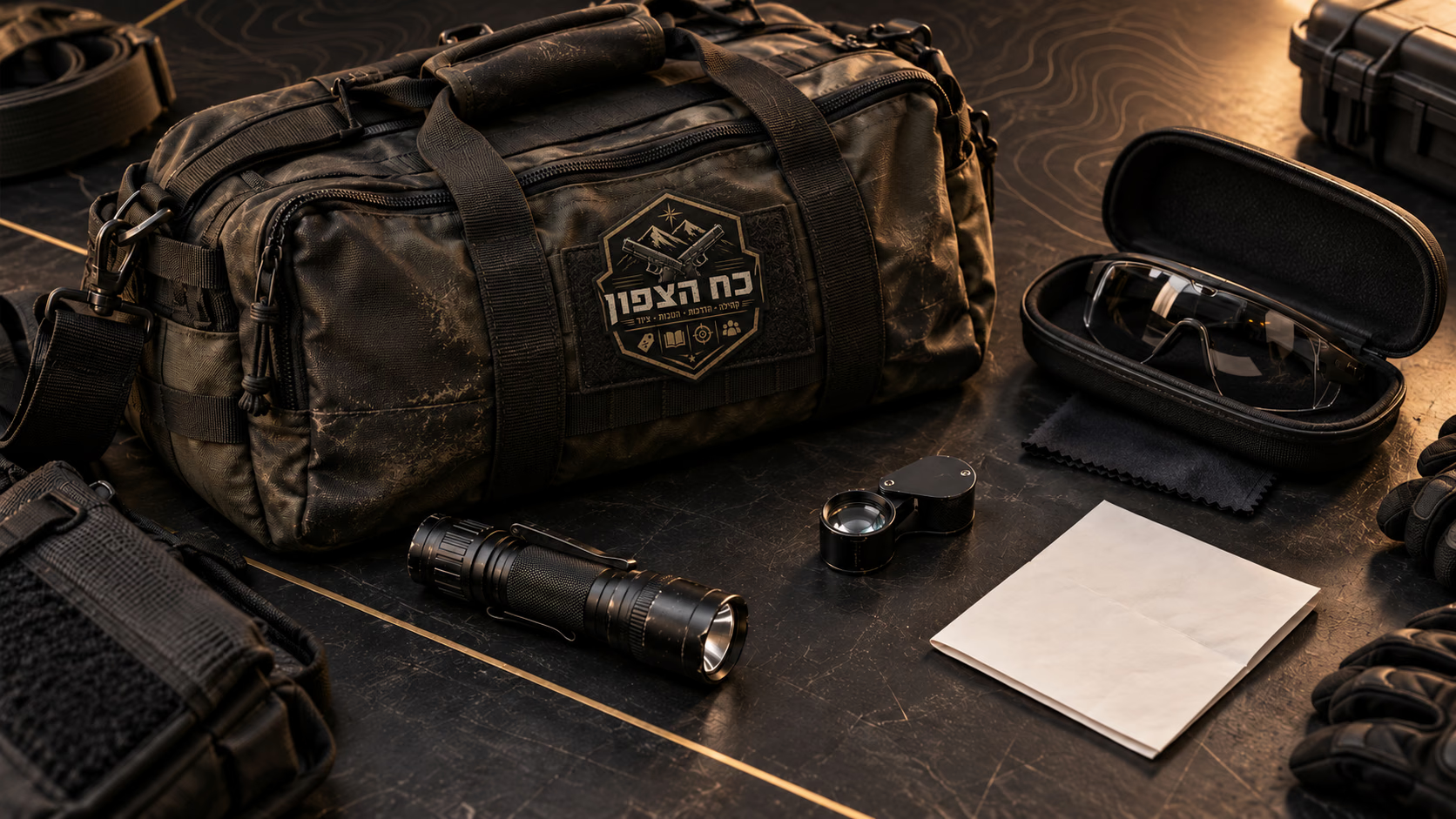
Credit: Koach Hatzafon — original article illustration
Product identity, history of use, physical condition and service — four questions to ask before making a payment.
A good advert can create a sense of opportunity: a familiar product, an attractive price and a phrase such as “hardly used”. Sometimes it really is a successful purchase. To decide whether it suits you, translate the seller's description into questions that can be answered. This article concerns ancillary equipment such as bags, flashlights and carry accessories; it is not a guide to purchasing firearms or ammunition.
A useful approach is to separate three things: what can be seen, what can be documented and what remains unknown. A low price may compensate for cosmetic signs of use. It does not resolve uncertainty about compatibility or the condition of a safety-related component.
First Identify Exactly What Is Being Offered
Ask for the manufacturer's name, full model, version and clear photographs of the actual item. A catalogue image can help identify a product family, but it does not show the condition of the item in the advert. Packaging and a logo alone do not prove authenticity. When in doubt, contact the manufacturer or importer with the details the seller has agreed to provide and ask whether a verification method is available.
Avoid collecting personal information that is not needed. You can request proof of purchase with private details concealed while leaving the relevant product and date information visible. The purpose is to understand the transaction, not to investigate the seller.
Ask About Its History, Not Just Its Age
Two products purchased in the same month can have completely different histories. Ask about frequency of use, storage conditions, drops, exposure to water, repairs and modifications. A detailed answer does not prove that the item is in good condition, but it may reveal further questions worth directing to a service professional.
Look at what is missing as well. A charger, cover, strap or dedicated component may make an attractive price less worthwhile. Before deciding, check whether the missing part is available and on what terms. Do not assume that a similar-looking accessory is an approved substitute.
Distinguish Cosmetic Wear from a Professional Question
A scratch on a bag is not the same as damage to a holster mechanism. A visual inspection may identify damage, but it does not confirm that a product is serviceable. For a component with a safety function, the manufacturer's instructions and access to a professional inspection are important.
Check manufacturers' service and recall notices as well. Safariland, for example, maintains a service-bulletin page concerning certain products; it should not be taken to mean that every product from the company is affected. The item's details must be matched to the relevant notice. Safariland service bulletins.
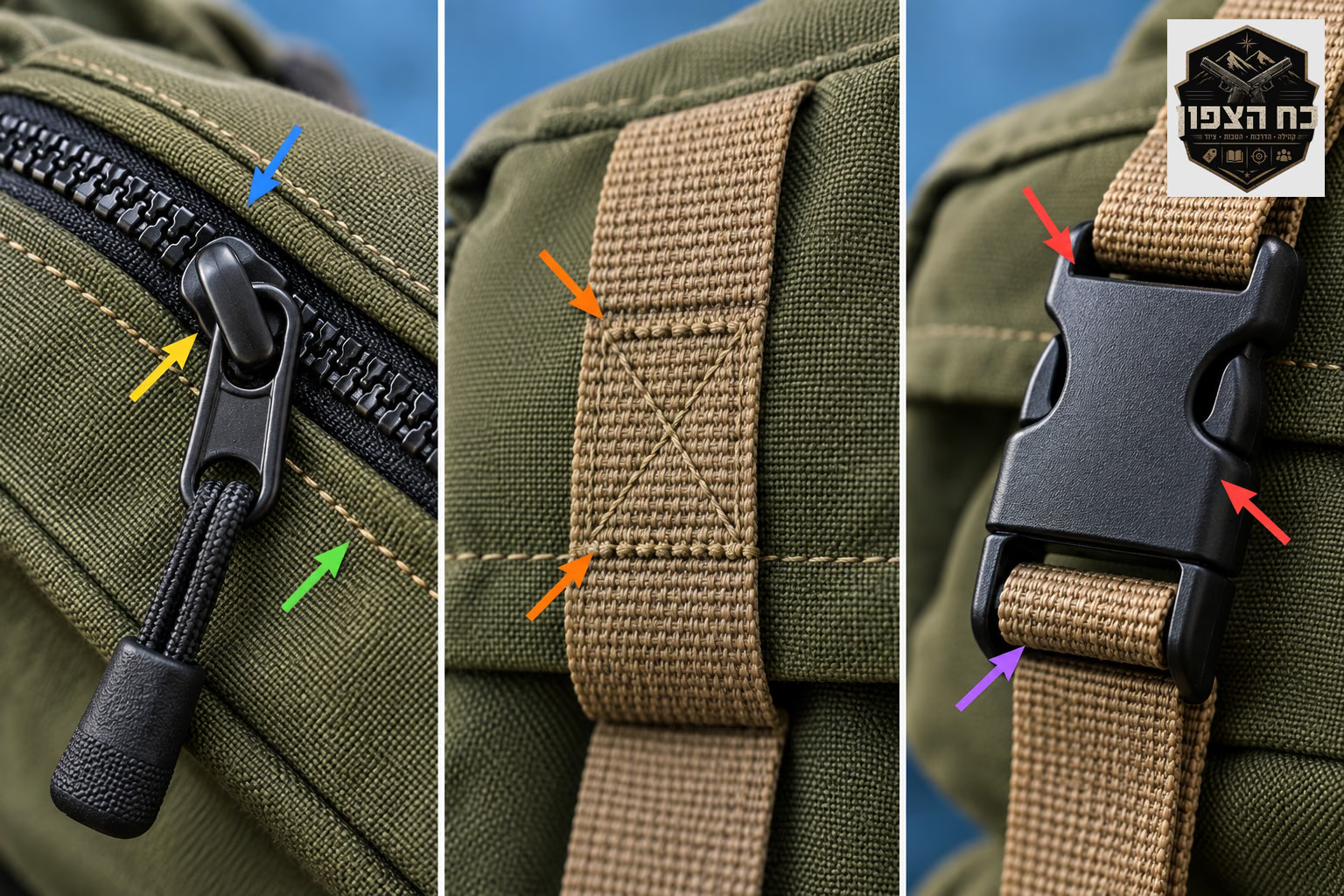
Seams, zipper and buckle: areas to inspect on equipment. Original illustration, not a product condition assessment.
A Warranty Is a Document That Must Be Read
The phrase “lifetime warranty” does not guarantee that every component and every type of damage is covered. For example, Streamlight's terms exclude normal wear and improper use, set a different period for certain components and require proof of purchase. This says nothing about other brands or the coverage for your item. Streamlight warranty terms.
Before purchasing a used item, ask the service provider whether coverage continues after ownership is transferred, which documents are required and where the product is serviced in Israel. A written answer is better than an assumption drawn from general advertising.
Calculate the Real Purchase Price
Here is an arithmetic example for illustration only: used equipment is offered for ₪400, compared with ₪650 for a new product. If a missing accessory costs ₪120 and inspection or delivery adds ₪60, the difference narrows to ₪70. These figures are not market prices; they show why it is worth calculating the total cost before deciding.
When It Is Better to Walk Away
- When the model cannot be identified or compatibility cannot be verified.
- When the product has an unexplained modification or damage that cannot be assessed.
- When the seller pressures you to pay before a reasonable check.
- When the final price is close to that of a new alternative with clearer service terms.
A good transaction leaves you with a suitable product and a clear understanding of what you purchased. Other opportunities will arise; missing information does not become more reliable because of pressure to close the deal today.
This content is intended for general information and does not replace certified instruction, manufacturers' instructions, official guidance or relevant professional advice.
Written by
dor-ben-hamo
Related posts
Hammer-Fired or Striker-Fired — What Is the Difference Between Common Handgun Actions?
A professional comparison of hammer-fired and striker-fired pistols, focusing on operating feel, consistency, maintenance and training.
Read more
Handgun Glossary — The Complete Guide for Firearm Licence Holders
Barrel, slide, grip, magazine, and front and rear sights: a clear glossary that helps identify parts, read manufacturers' instructions and communicate precisely with professionals.
Read more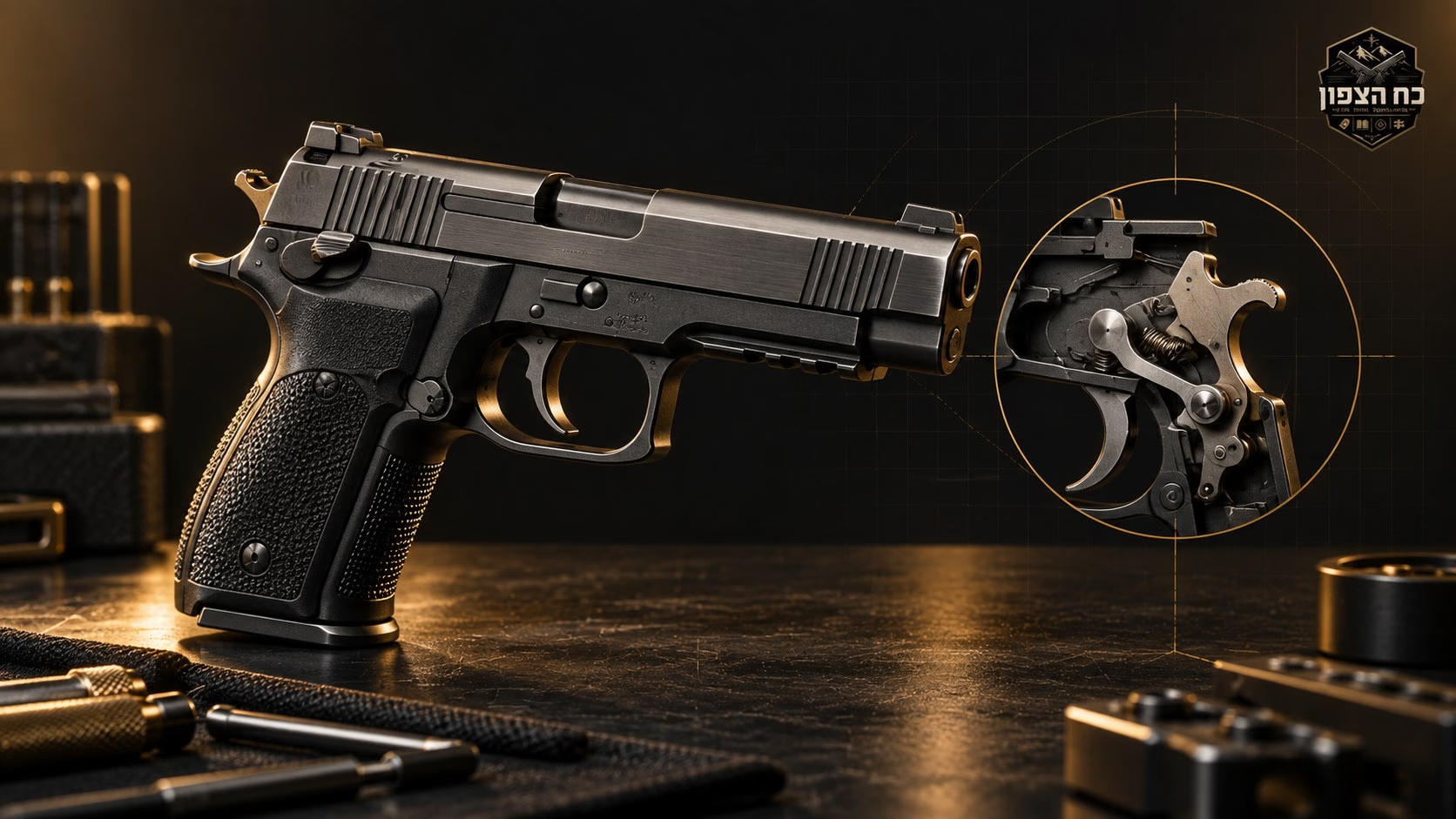
Single Action, Double Action and Striker-Fired — How Does a Pistol's Action Work?
A clear guide to the differences between common action types, what they mean for responsible use and the questions worth asking before choosing a firearm and training with it.
Read moreReady to grow?
Schedule a Call