
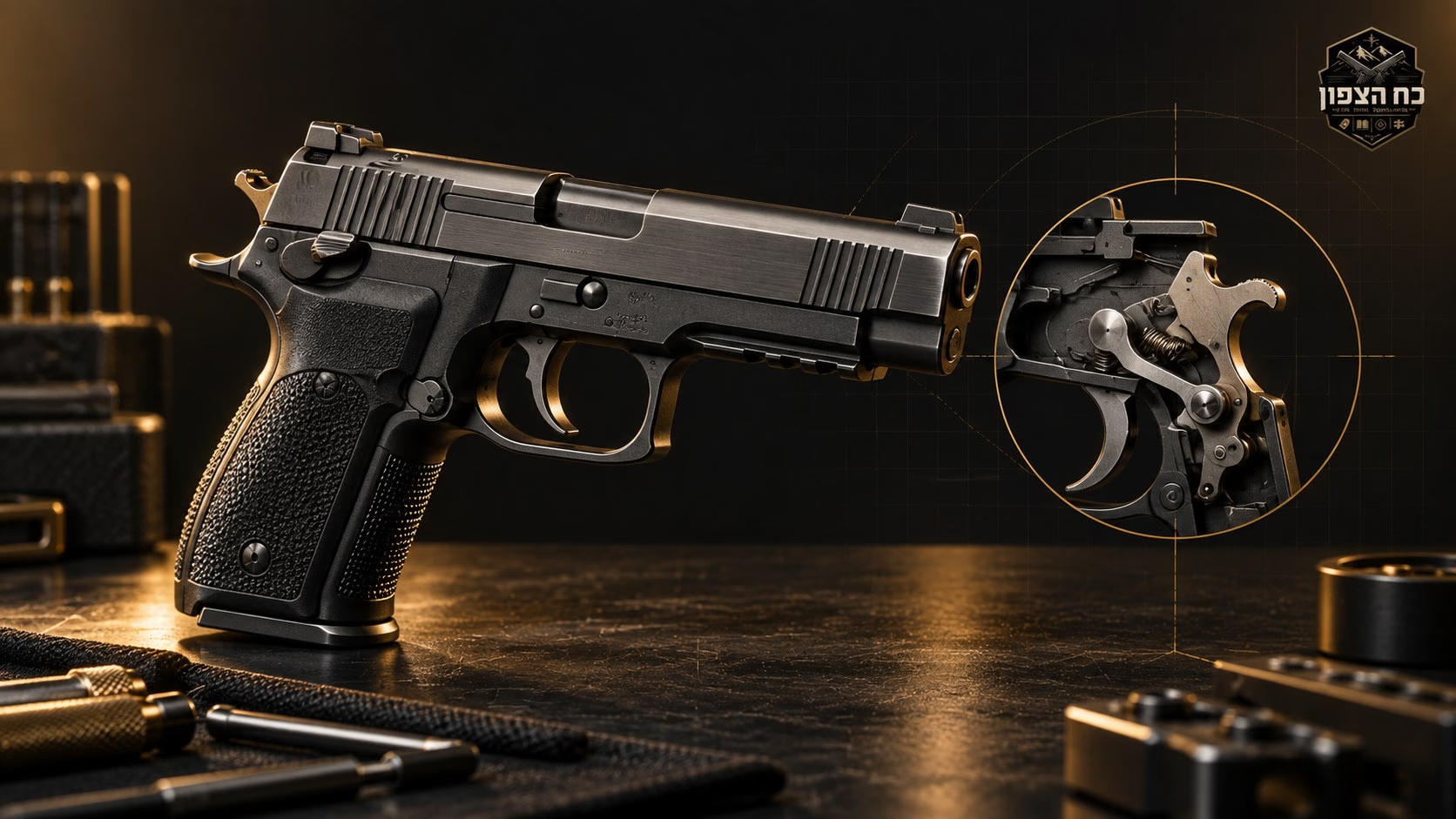
Single Action, Double Action and Striker-Fired — How Does a Pistol's Action Work?
A clear guide to the differences between common action types, what they mean for responsible use and the questions worth asking before choosing a firearm and training with it.
Content credit: Dor Ben Hamo — Shooting Instructor
Credit: Koach Hatzafon — original article illustration
The Action Is a Language — and It Is Worth Understanding
The terms single action, double action and striker-fired can sound like a list of specifications, but they actually describe how a trigger press interacts with the action. The difference affects trigger feel, the transition from the first shot to subsequent shots and the operating routine the user must practise.
Single Action — One Action
In a single-action mechanism, pressing the trigger primarily performs one action: releasing an impact component that has already been cocked. The trigger therefore tends to feel relatively short and light. Alongside the benefit of a consistent feel, firearms of this type may include manual safety mechanisms and an operating routine that requires precise familiarity with the manufacturer's instructions.
Double Action — Two Actions in One Press
In double action, pressing the trigger both cocks and releases the hammer. On DA/SA pistols, the first trigger press is generally longer and heavier, while subsequent presses after the action cycles operate in single action. In practice, this means that both trigger feels and the transition between them must be practised under professional instruction and in an approved environment.
Striker-Fired — A Category That Requires Precision
A striker-fired pistol uses a spring-driven striker rather than a separate hammer. The absence of a visible hammer alone does not identify the mechanism; some pistols have a concealed hammer. Configurations vary between manufacturers and models, so two mechanisms should not be assumed to be identical simply because both are described as striker-fired. On some models, the trigger press completes a partial cocking action; on others, the mechanism works differently. The model's user manual is the authoritative source.
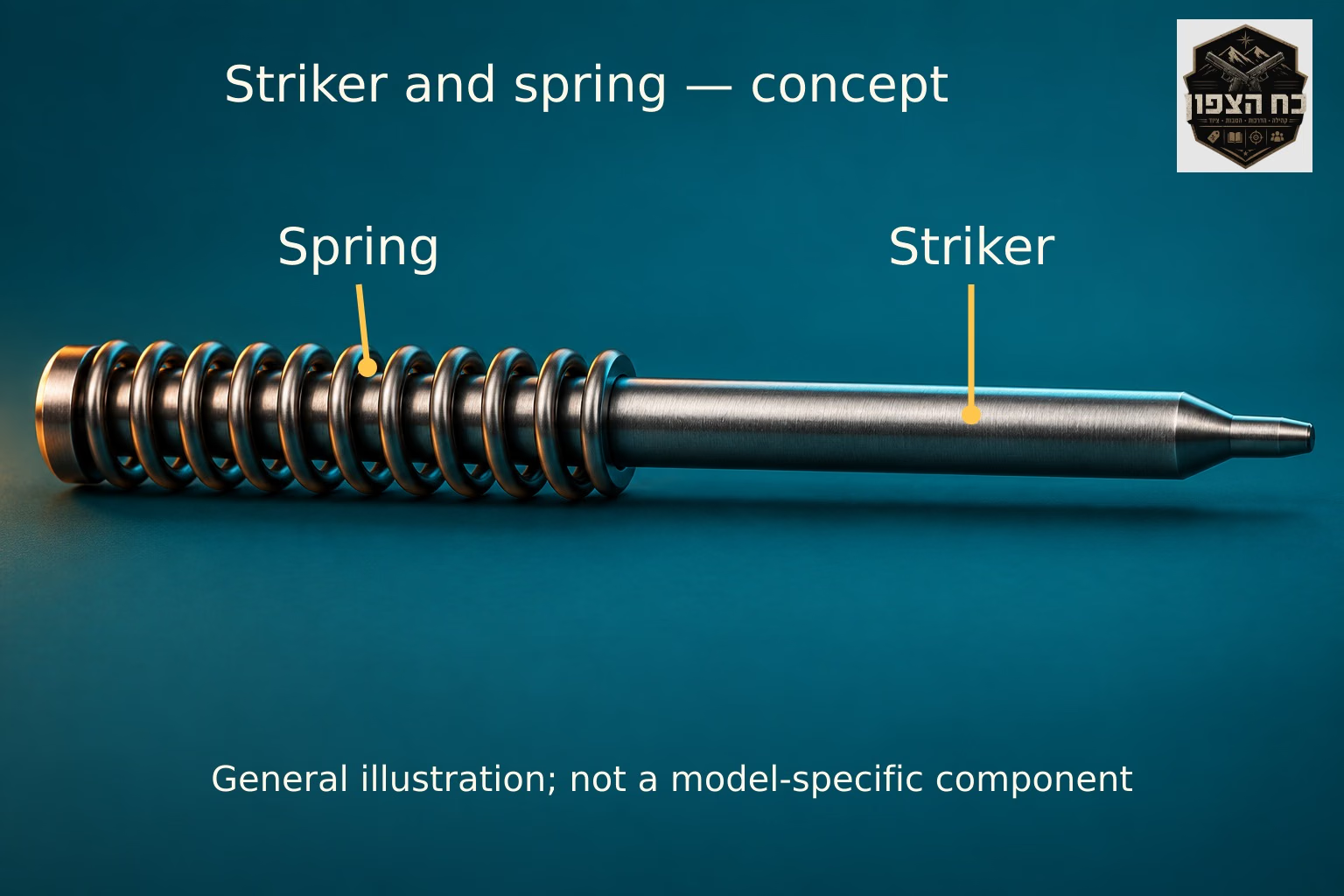
Striker and spring — an original concept illustration. Shapes are simplified for explanation; this is not a photograph of a model-specific component.
Identified Model Examples
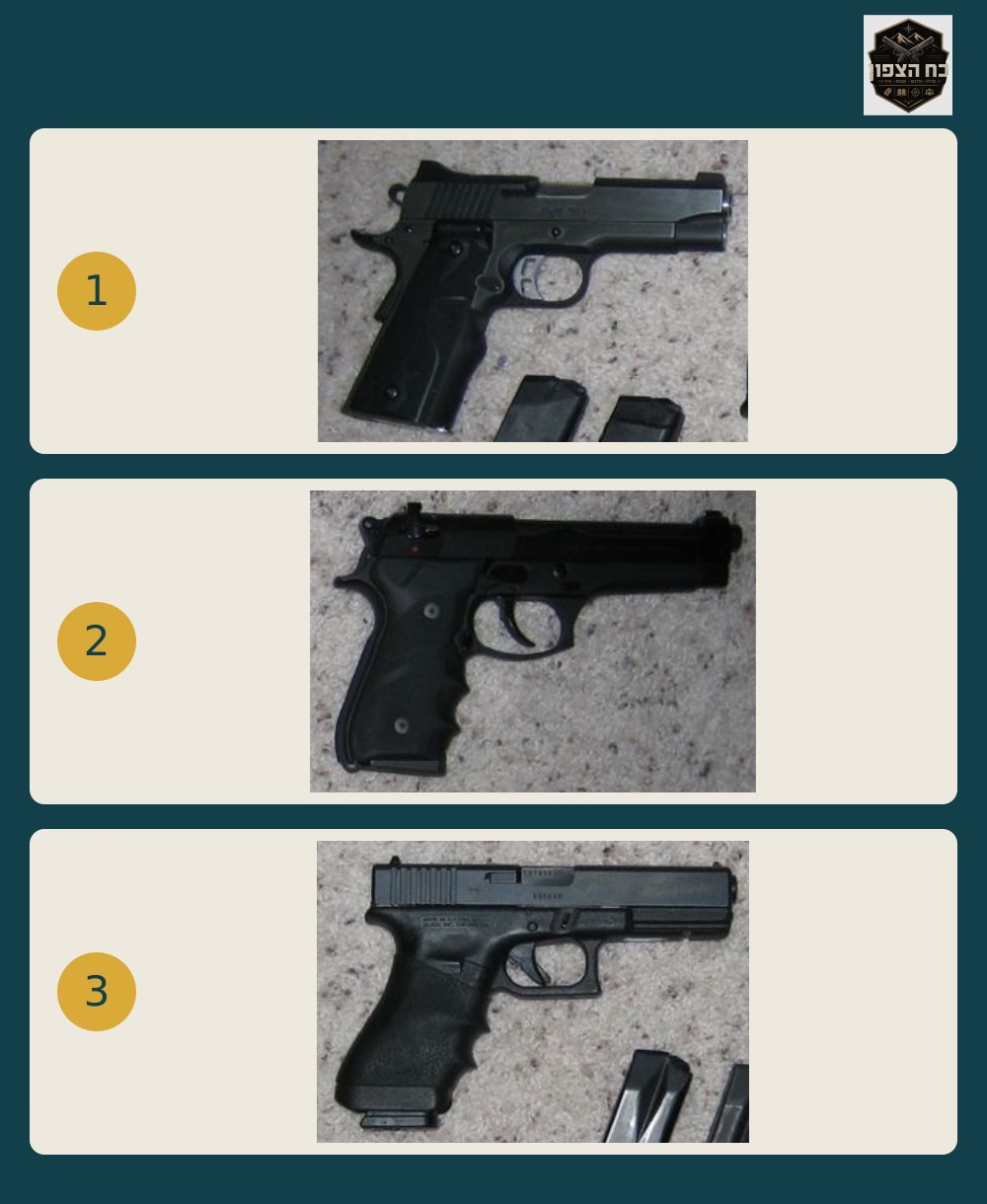
Identified examples: 1 — Kimber Eclipse Pro II, single action; 2 — Beretta 92FS Brigadier, double/single action; 3 — Glock 22, striker-fired. The photograph shows the models externally, not their internal components.
Original photograph, released into the public domain.

Beretta action description · Glock safety system · Kimber Eclipse family.
What Matters More Than the Name?
No mechanism is “best for everyone”. The right mechanism depends on the user, the purpose, the level of training and a safe carry routine. Before deciding, consider:
- Is the trigger feel consistent, or does it change between the first press and those that follow?
- Which safety mechanisms are present, and how does the manufacturer instruct users to operate them?
- Is it possible to train regularly with the same system?
- Can the user operate it safely and consistently under instruction?
The Bottom Line
Understanding the action does not replace training, but it is essential to correct training. Read the manufacturer's instructions, practise only in a lawful and controlled setting, and do not attempt to disassemble, modify or “improve” a mechanism without a qualified professional.
Written by
dor-ben-hamo
Related posts
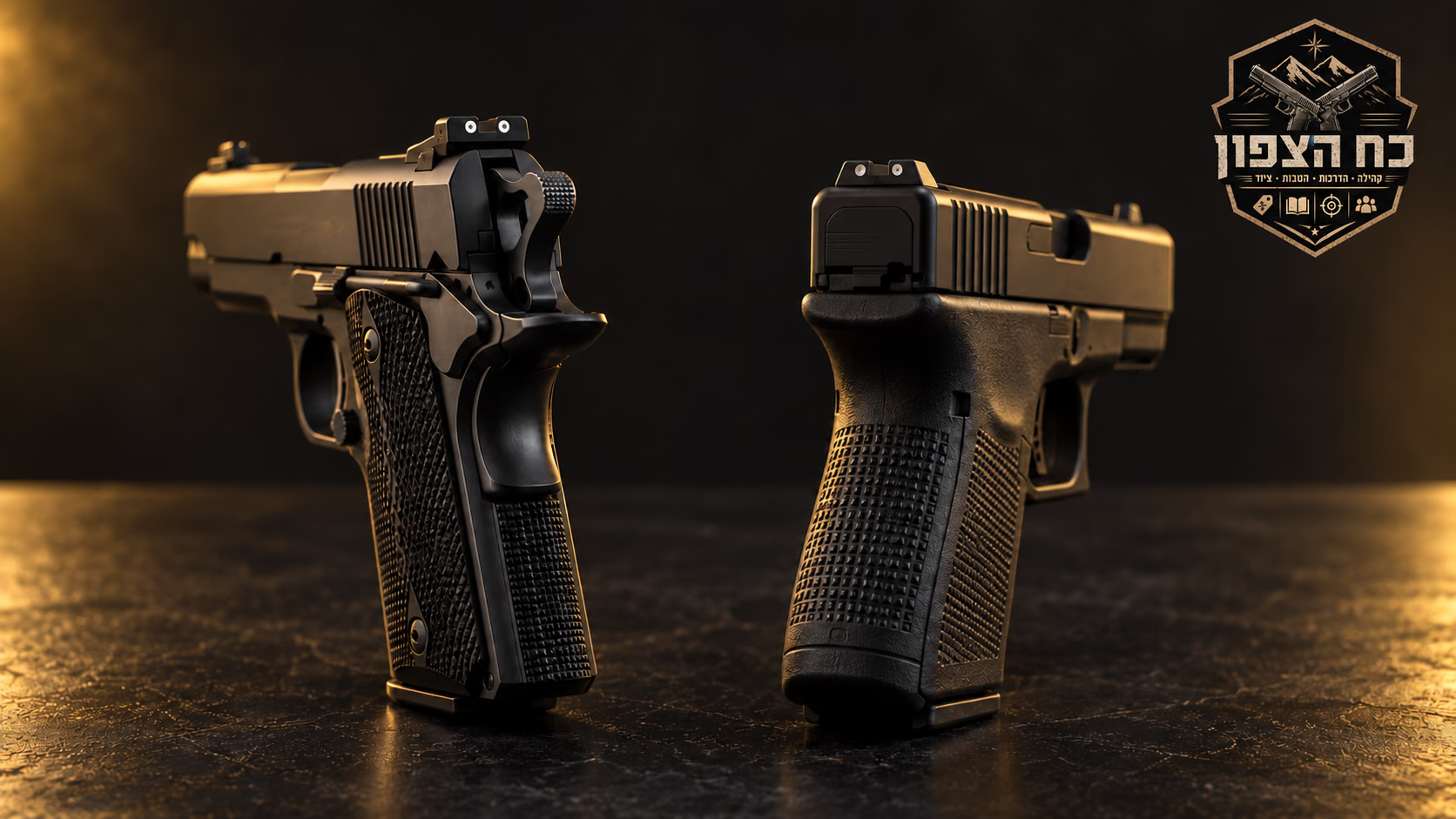
Hammer-Fired or Striker-Fired — What Is the Difference Between Common Handgun Actions?
A professional comparison of hammer-fired and striker-fired pistols, focusing on operating feel, consistency, maintenance and training.
Read more
Handgun Glossary — The Complete Guide for Firearm Licence Holders
Barrel, slide, grip, magazine, and front and rear sights: a clear glossary that helps identify parts, read manufacturers' instructions and communicate precisely with professionals.
Read more
Rifle calibers: dimension tables, names and example rifles
Ten familiar rifle cartridges explained through C.I.P. dimension tables, full names, example rifles and illustrated comparisons.
Read moreReady to grow?
Schedule a Call