
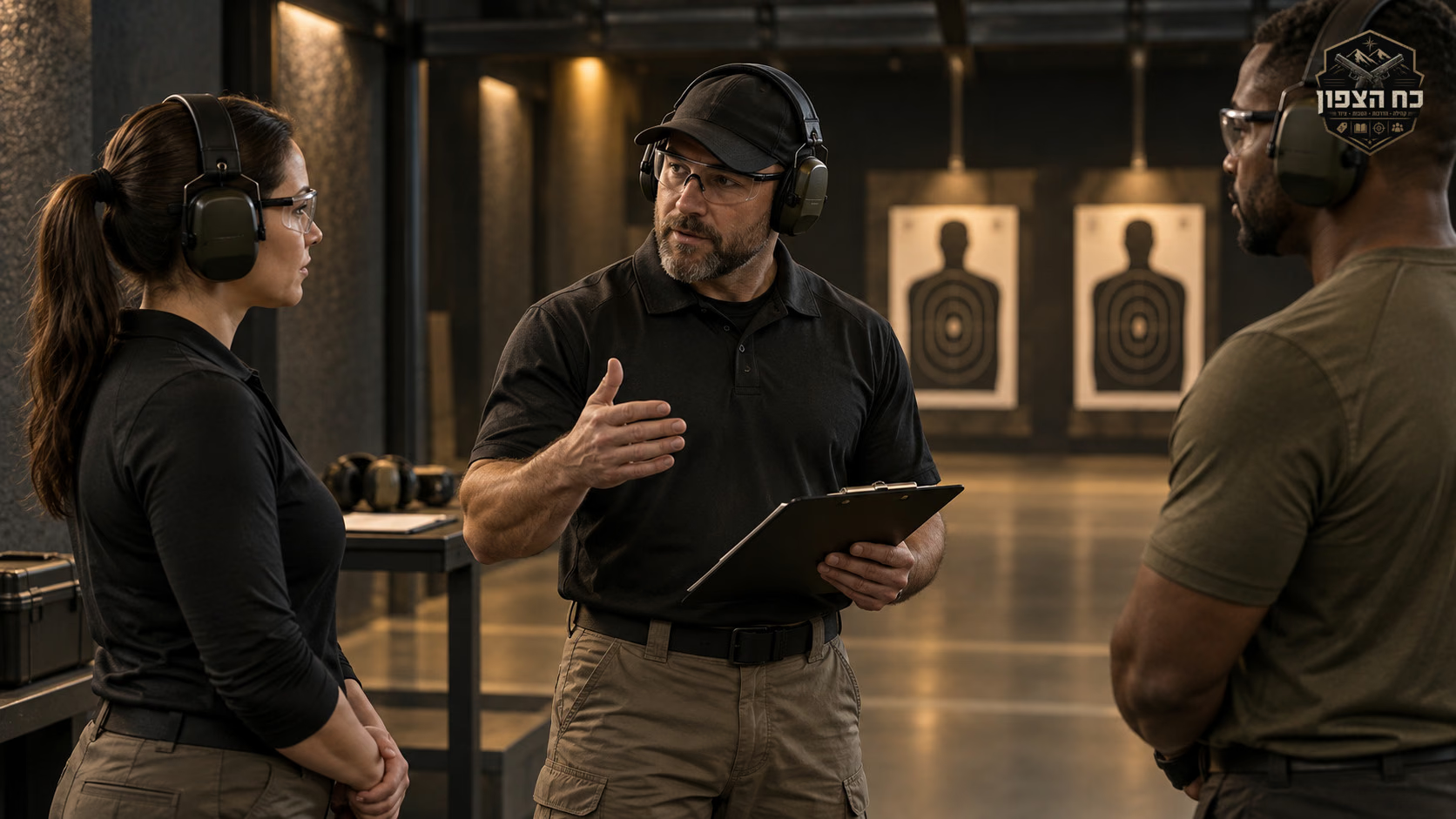
What Makes Shooting Training Professional?
Quality training is not measured only by the number of rounds. This is what clear objectives, safety, instruction, feedback and debriefing that create genuine progress look like.
Content credit: Dor Ben Hamo — Shooting Instructor
Credit: Koach Hatzafon — original article illustration
Professional Training Begins Before the Firing Line
It is easy to measure a training session by its duration or the amount of ammunition used, but these are only partial measures. Professional training is built around an objective: what the trainee should know, perform or understand better by the end — and the safe conditions under which that improvement will be assessed.
1. A Defined Objective
A good objective is specific and can be assessed. “Improve” is an intention; “maintain a consistent grip and reduce grouping size at a controlled pace” is an objective that can be practised and measured. Beginners should establish safety and fundamentals before increasing challenge or complexity.
2. A Clear Safety Framework
An opening briefing, serviceable protective equipment, allocation of responsibility, consistent commands and a stop procedure are at the heart of the training. Professionalism is also shown when the instructor adapts the exercise to the conditions and participants' level and does not allow the group's pace to compromise safety.
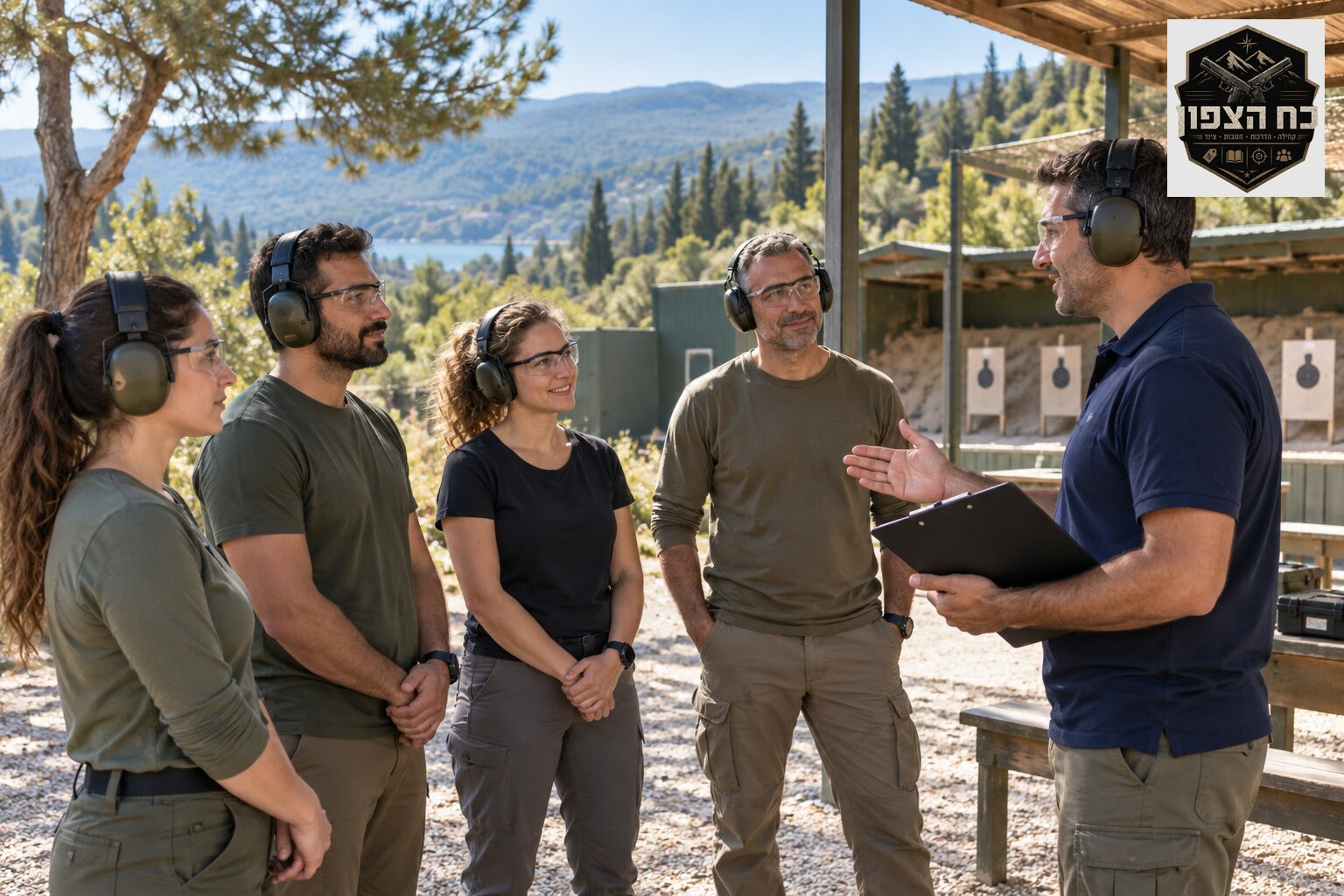
Safety briefing and protective equipment before training — illustrative image.
3. Appropriate Progression
Quality learning moves from simple to complex. Time pressure, decision-making, movement or an environmental change should be added only after performance is stable under basic conditions — and even then in a controlled manner. Increasing the challenge too early can reinforce errors instead of improving ability.
4. Precise Feedback
Effective feedback answers three questions: What happened? Why did it probably happen? What will change in the next attempt? It focuses on behaviour that can be improved rather than broad labels such as “good” or “weak”.
5. Records and Debriefing
At the end of the training, record a few consistent measures: accuracy, consistency, time in relevant exercises, safety errors and one point to work on next time. A short debrief turns an experience into a programme.
Professionalism Means Adaptation
The same training does not suit everyone. Experience level, physical limitations, equipment type and the personal objective must influence the content. Before registering, tell the team about your previous experience and objective, and always follow the instructor's directions, the shooting range's rules and the law.
Written by
dor-ben-hamo
Related posts
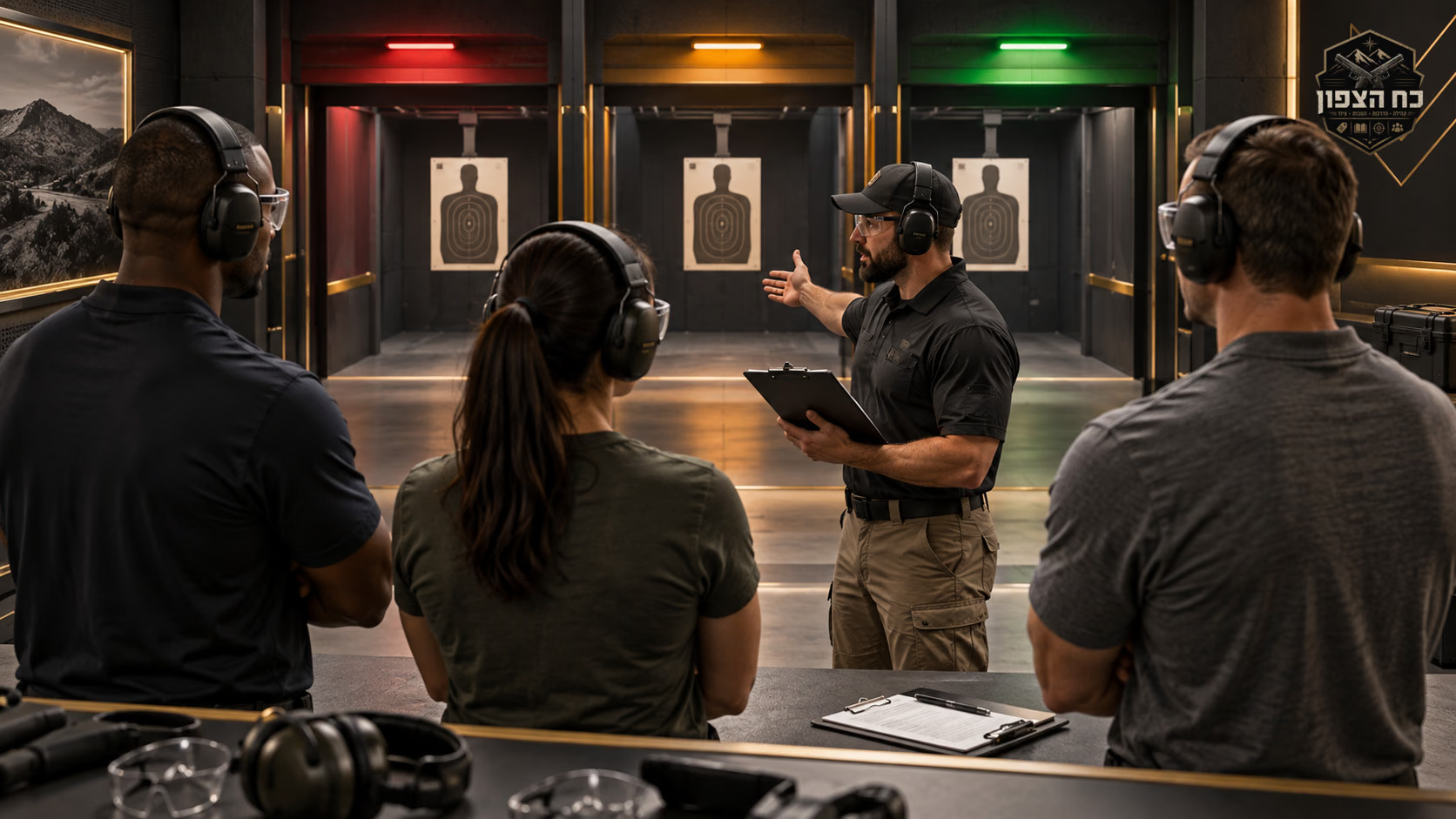
How to Build a Training Programme for Your Level
Beginners, progressing trainees and experienced participants do not need the same track. Here is how to define an objective, a baseline and safe, measurable progress.
Read more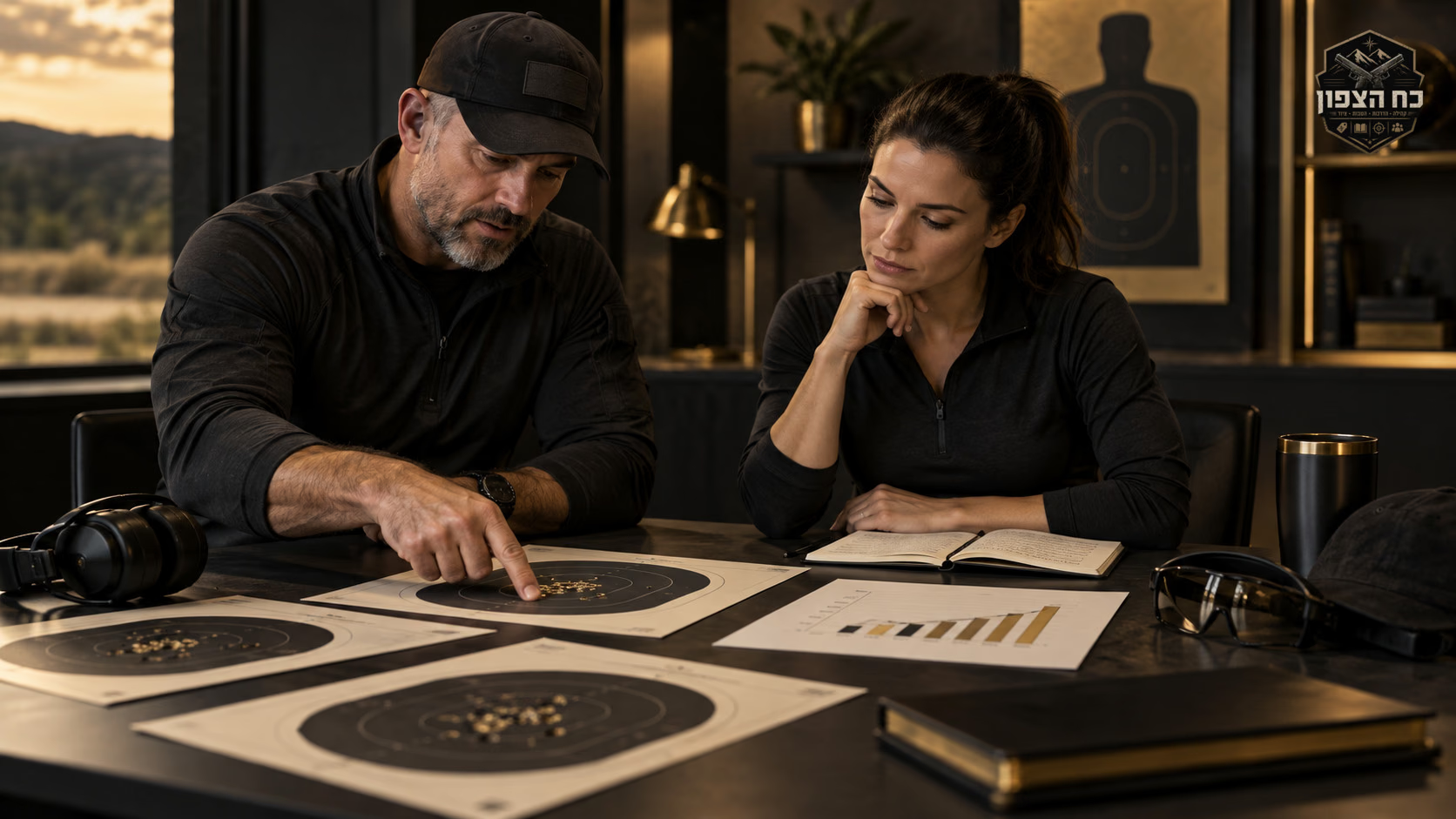
The Post-Training Debrief — The Tool That Turns Experience into Progress
Five minutes of focused review can connect what happened today with the next training session. Here is how to do it without excuses or blame.
Read more
Not Just Hitting the Target — How Do You Measure Training Progress?
Accuracy matters, but it is only part of the picture. Measures of consistency, safety, pace and decision-making tell a more professional story.
Read moreReady to grow?
Schedule a Call