

Muscle Memory or Motor Learning — What Does the Body Really Remember?
A muscle does not “remember” by itself. The brain and nervous system learn movement patterns — so quality, feedback and spacing between sessions matter as much as repetition.
Content credit: Dor Ben Hamo — Shooting Instructor
Credit: Koach Hatzafon — original article illustration
The Phrase Is Familiar; the Scientific Explanation Is More Precise
“Muscle memory” is a useful name for the feeling that a familiar action happens almost by itself. In practice, the muscle does not retain a memory of the action. Improvement takes place primarily in the brain and nervous system, which learn to organise movement, timing and decision-making more efficiently. The professional term is motor learning.
Good Performance Today Is Not Necessarily Learning
During a training session, performance can improve because of warming up, concentration or immediate feedback. Learning is assessed through different questions: Is the ability retained after a break? Does it transfer to a similar but not identical situation? Can the participant perform without constant dependence on external correction?

A follow-up after a break: revisit previous records and assess retention. Original illustration, not a record of real trainees.
Repetitions — but Not Blind Repetition
Quantity without quality can reinforce an undesirable pattern. At the beginning, it is useful to work slowly, receive feedback and build stable movement. The practice conditions can then be varied gradually. Motor-learning research indicates that an appropriate combination of spaced practice, variability and feedback may support retention and skill transfer — but the effect depends on the task and the trainee.
Why Is Rest Important?
Processes that stabilise learning occur between training sessions. Short, focused sessions at reasonable intervals may therefore be more useful than one overloaded day followed by a long break. Sleep, fatigue and stress also affect performance quality.
In the Context of Shooting
For a skill that carries safety responsibilities, automaticity is not an objective in itself. The goal is correct habits accompanied by awareness and judgement. If practice produces speed without attention to the surroundings and commands, that is not progress.
Practical Conclusion
Practise a small number of things at a time, to a high standard, with feedback and records. Return to them after a break and assess retention. Above all, practise in a lawful, controlled setting under the guidance of a qualified professional.
Written by
dor-ben-hamo
Related posts
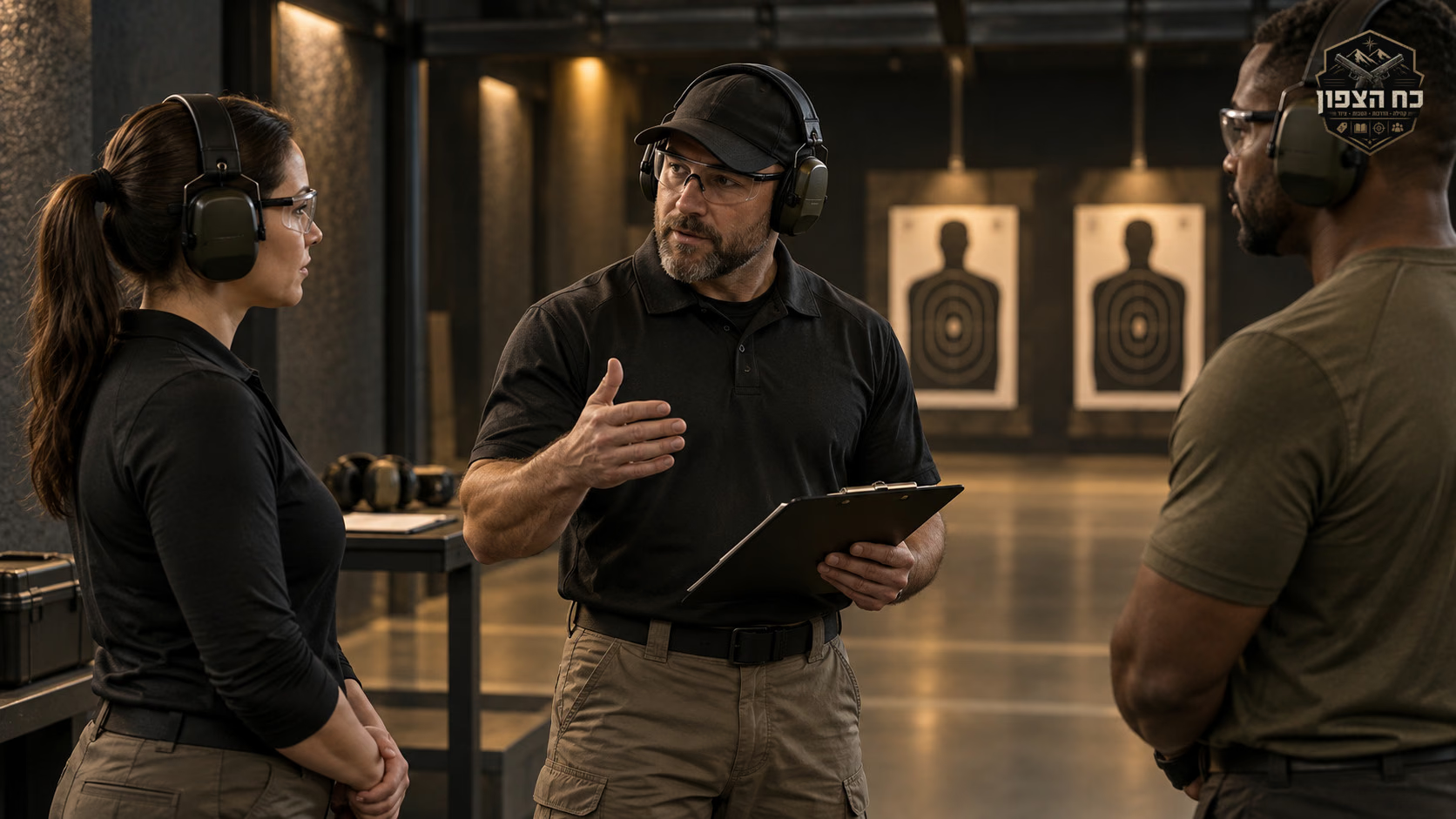
What Makes Shooting Training Professional?
Quality training is not measured only by the number of rounds. This is what clear objectives, safety, instruction, feedback and debriefing that create genuine progress look like.
Read more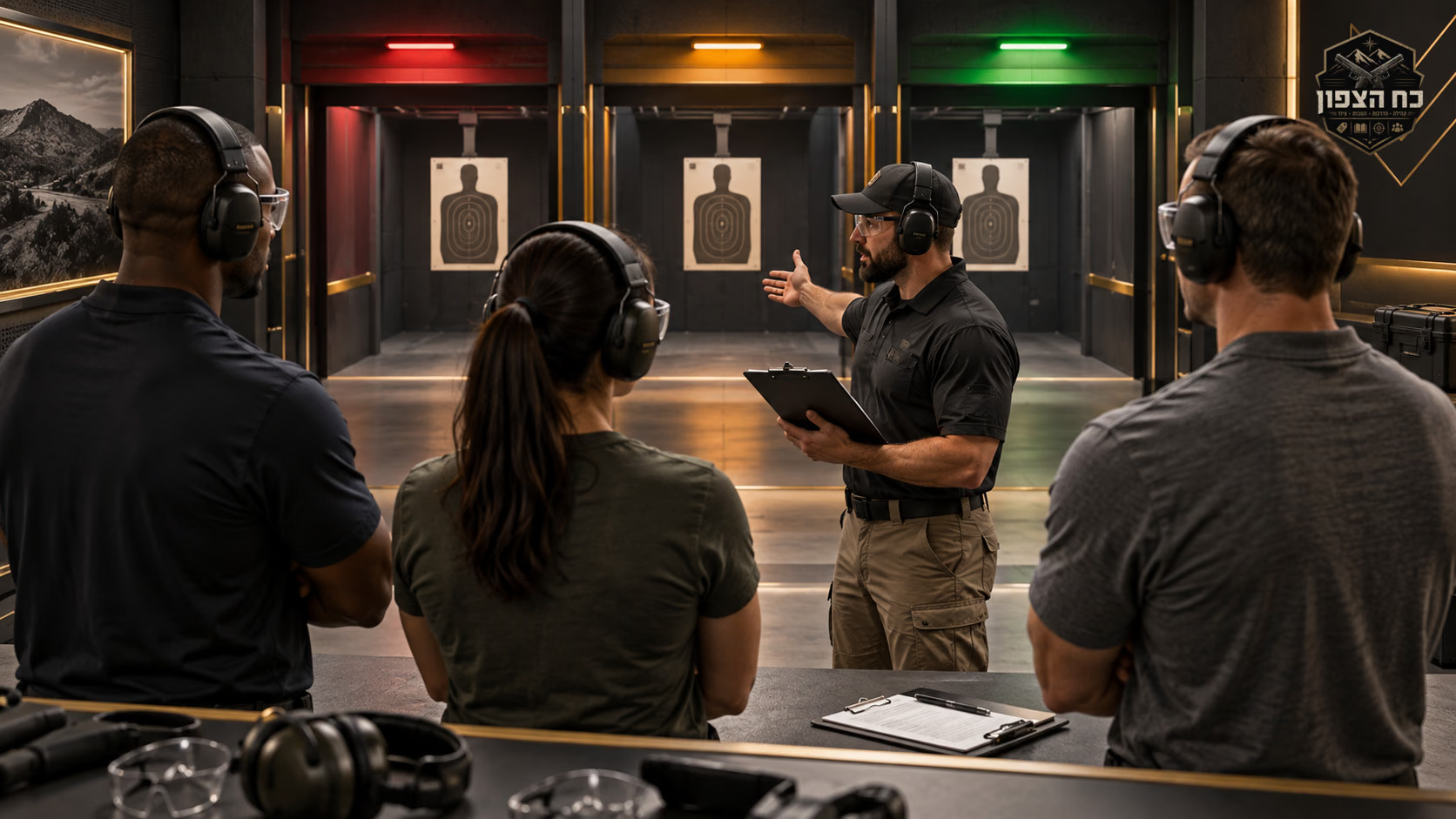
How to Build a Training Programme for Your Level
Beginners, progressing trainees and experienced participants do not need the same track. Here is how to define an objective, a baseline and safe, measurable progress.
Read more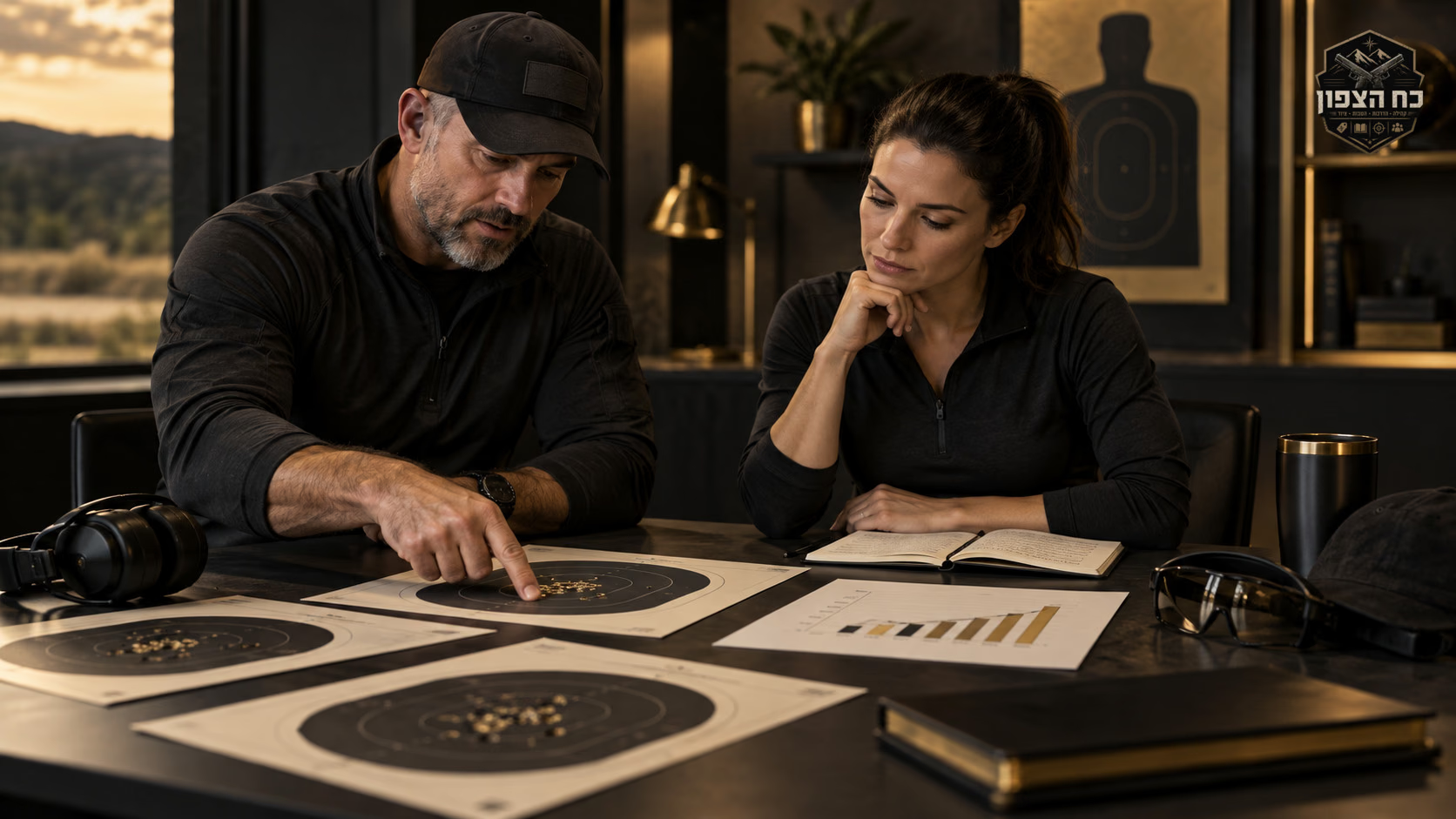
The Post-Training Debrief — The Tool That Turns Experience into Progress
Five minutes of focused review can connect what happened today with the next training session. Here is how to do it without excuses or blame.
Read moreReady to grow?
Schedule a Call