
Maintaining Shooting Proficiency — Why One-Off Training Is Not Enough
Proficiency is maintained through continuity, measurement and a tailored programme. A guide to building a responsible training routine without chasing volume or excitement.
Content credit: Dor Ben Hamo — Shooting Instructor
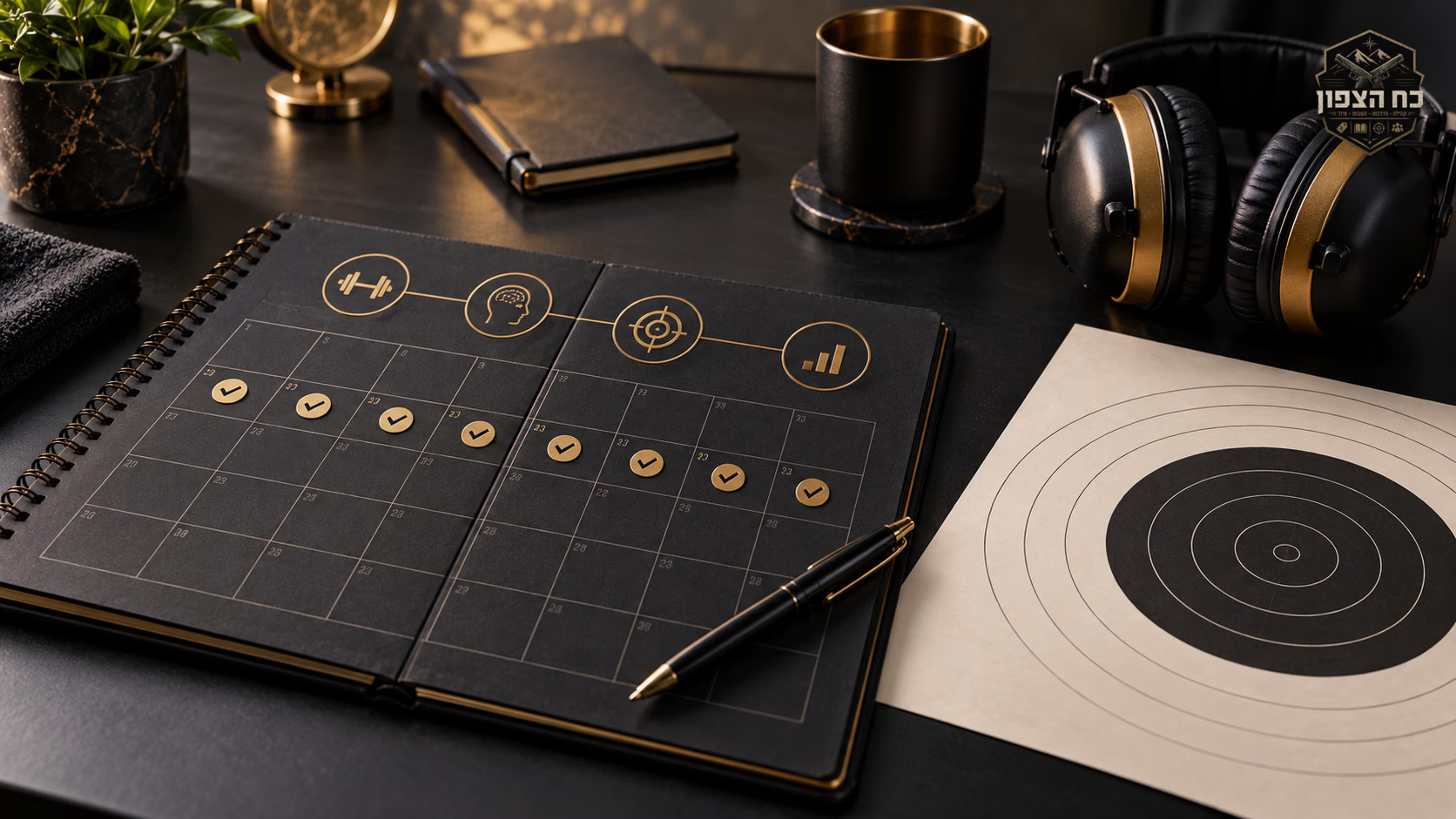
Credit: Koach Hatzafon — original article illustration
Qualification Is a Starting Point, Not the Finish Line
A motor skill deteriorates when it is not practised. Subjective confidence may remain high even when accuracy, pace or the sequence of actions has become less stable. Maintaining proficiency should therefore be based on a programme, not on the memory of a successful training session in the past.
Continuity Is Better Than a “Marathon”
A long, one-off training session may be enjoyable and challenging, but it is difficult to build lasting proficiency around it. A sequence of focused sessions makes it possible to revisit fundamentals, check what has been retained and make gradual corrections. The appropriate frequency depends on the trainee's level, objectives and the guidance of the professional framework.
What Is Being Maintained?
Proficiency is not only about hitting the centre. It includes:
- Consistently following safety rules and commands.
- The ability to operate personal equipment consistently.
- Accuracy and grouping under predefined conditions.
- Controlling the pace without losing quality.
- Recognising an unusual situation and stopping correctly.
- Making decisions in accordance with the exercise and the law.
Checking Retention
To determine whether something has been learned, return after an interval to a basic exercise under similar conditions and measure the same indicators. Only then add complexity. This separates a “good day” from stable ability.
Simple Records
A short training log can include the date, the session objective, two key metrics, a recurring mistake and a goal for next time. Dozens of figures are unnecessary; what is needed is continuity that makes a trend visible.
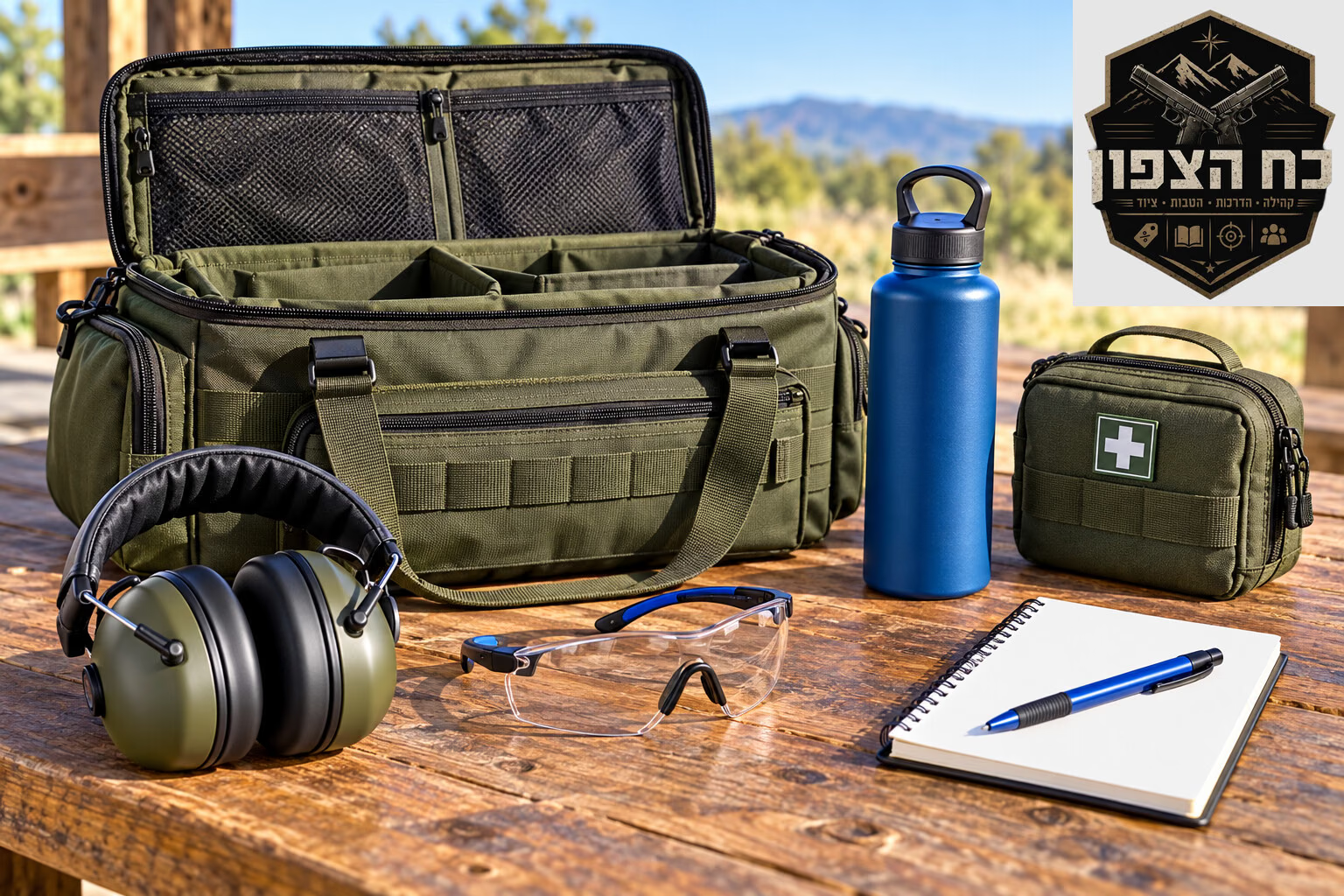
A notebook helps track training and feedback over time. Illustrative image.
Responsibility Over Time
A licence and equipment do not create proficiency. Proficiency is built through knowledge, training, feedback and professional humility. After a long break, a change in equipment or a decline in ability, return to the fundamentals and progress again under the guidance of a certified instructor.
Written by
dor-ben-hamo
Related posts
What Makes Shooting Training Professional?
Quality training is not measured only by the number of rounds. This is what clear objectives, safety, instruction, feedback and debriefing that create genuine progress look like.
Read more
How to Build a Training Programme for Your Level
Beginners, progressing trainees and experienced participants do not need the same track. Here is how to define an objective, a baseline and safe, measurable progress.
Read more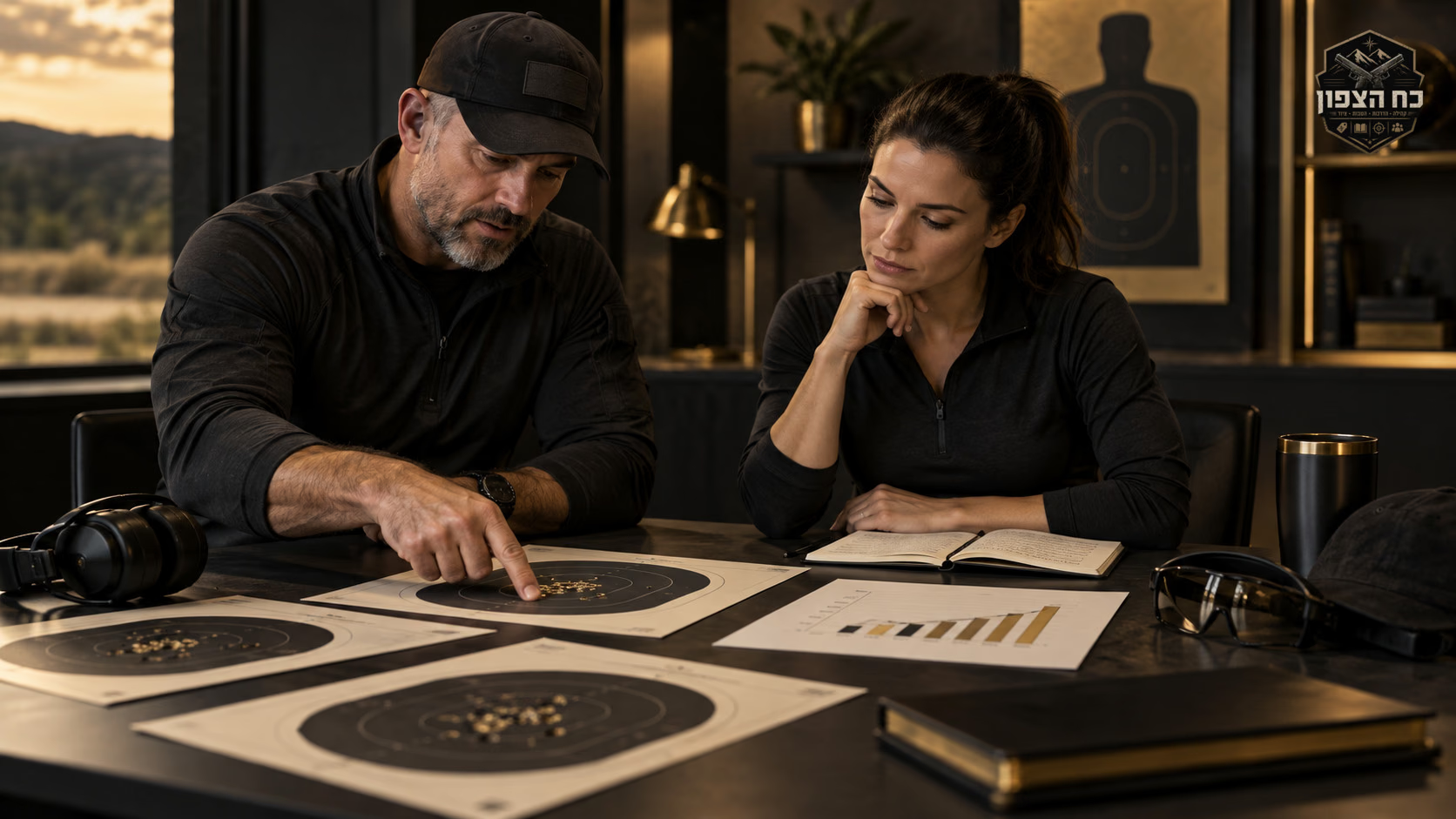
The Post-Training Debrief — The Tool That Turns Experience into Progress
Five minutes of focused review can connect what happened today with the next training session. Here is how to do it without excuses or blame.
Read moreReady to grow?
Schedule a Call