

Hearing, Noise and Lead at the Shooting Range: How to Reduce Exposure
Suitable hearing protection, proper ventilation and simple hygiene habits can reduce exposure during training at a shooting range.
Content credit: Dor Ben Hamo — Shooting Instructor
Credit: Koach Hatzafon — original article illustration
Some Risks Are Not Felt Immediately
Shooting produces intense noise and may create exposure to lead particles and firing residue, especially at indoor shooting ranges. Good protection relies on a combination of proper range infrastructure, protective equipment and consistent personal habits.
Start with Hearing Protection
Use hearing protection that suits you and remains properly fitted throughout your time in the shooting area. Depending on the range's instructions and the noise level, the instructor may recommend using earplugs together with earmuffs. If the protection moves or does not seal properly, stop and adjust it before continuing.
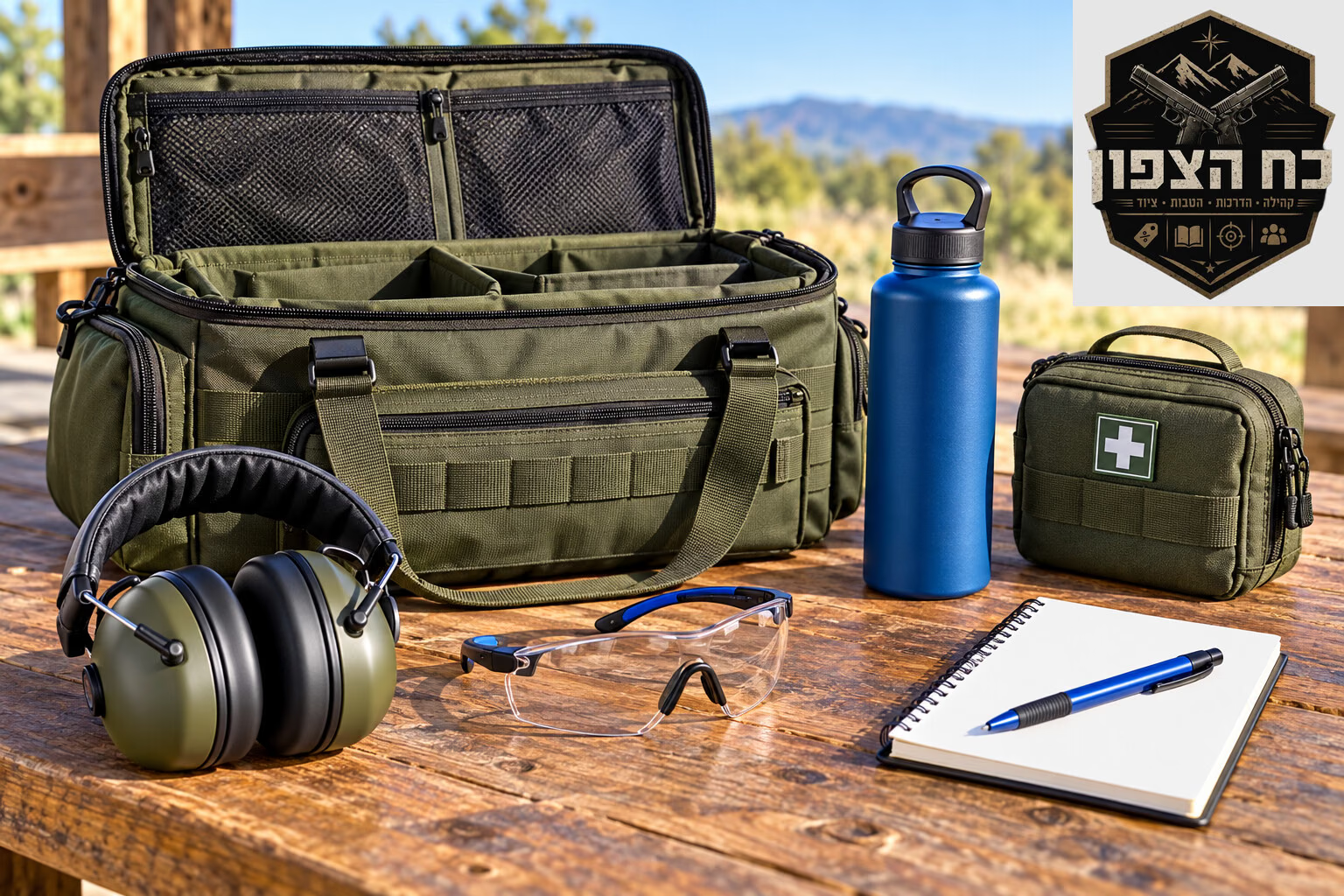
Eye and hearing protection are part of preparation. Illustrative image.
Pay Attention to the Range Environment
An indoor shooting range should have a suitable ventilation system, with airflow carrying contaminants away from the breathing zone. Do not block ventilation openings or remain in an area where smoke is accumulating or the air is not being replaced. If in doubt, contact the range manager.
Hygiene Habits That Reduce Transfer
- Do not eat, drink or smoke in the shooting area.
- At the end of training, wash your hands and face thoroughly with soap and water.
- Avoid touching your face during the activity.
- Keep equipment and clothing exposed to residue separate from clean items.
- Cleaning dust and residue at the range is the responsibility of staff trained for that task.
The aim is to reduce the transfer of residue from the shooting range to the vehicle and home.
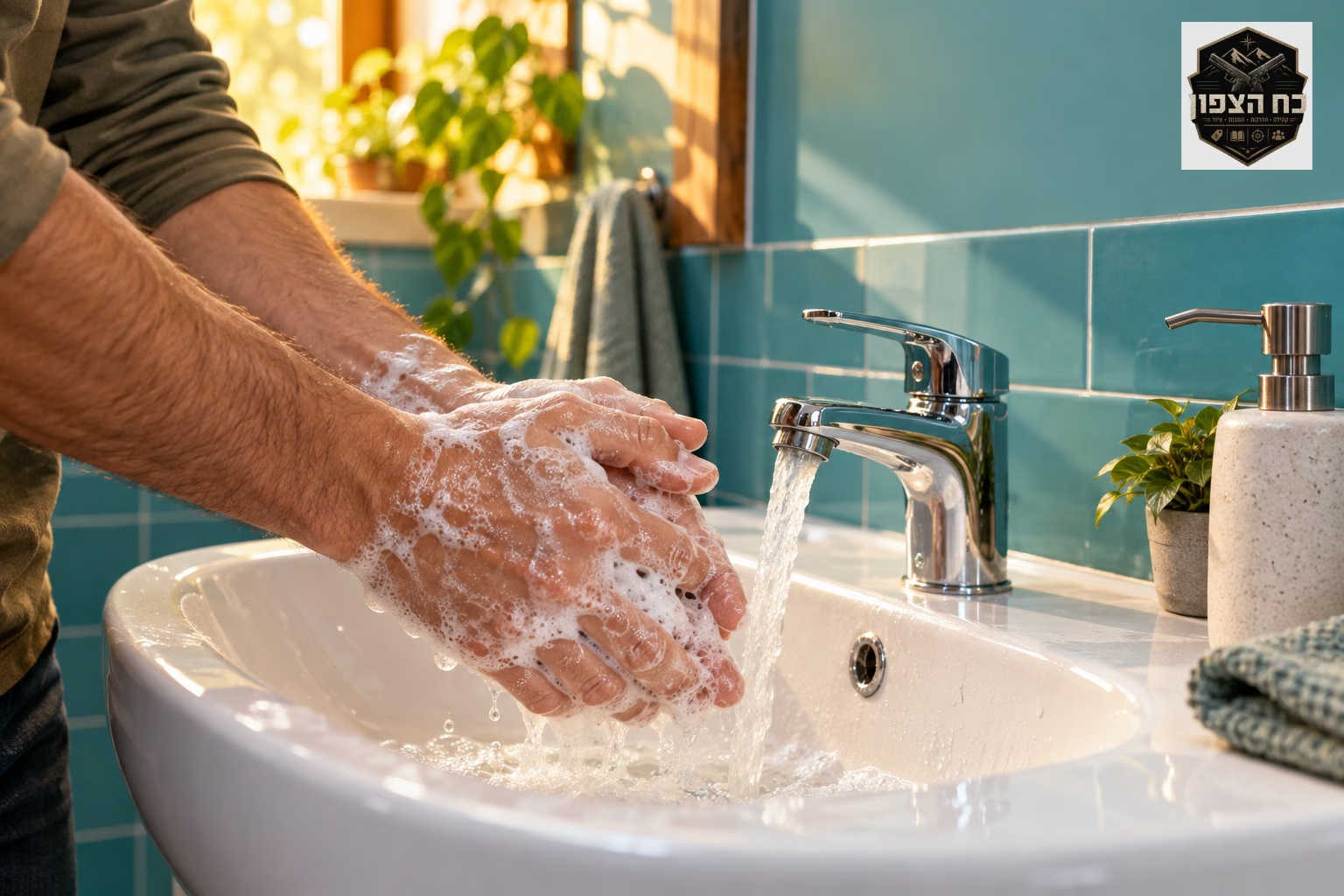
Handwashing after the session — an original hygiene illustration, not evidence of complete lead removal.
When Should You Seek Advice?
Anyone who works at a shooting range, trains frequently or is concerned about cumulative exposure can consult a medical professional and a professional safety adviser. In the case of pregnancy, a medical condition or particular sensitivity, obtain individual advice before the activity.
Quick Checklist
- Hearing protection fits properly.
- Protective equipment remains on in the shooting area.
- There is no food or drink at the station.
- Hands and face are washed afterwards.
- Exposed equipment is separated from clean items.
- Any ventilation irregularity is reported to staff.
NIOSH recommendations for reducing exposure at shooting ranges
View Koach Hatzafon training and instruction
This article provides general information and does not replace medical advice or a professional safety assessment of the shooting range.
Written by
dor-ben-hamo
Related posts

Storing a Firearm at Home: What Is Important to Check
Proper storage begins with a locked home safe, preventing access by unauthorised people and periodically checking the storage environment.
Read more
Hammer-Fired or Striker-Fired — What Is the Difference Between Common Handgun Actions?
A professional comparison of hammer-fired and striker-fired pistols, focusing on operating feel, consistency, maintenance and training.
Read more
Handgun Glossary — The Complete Guide for Firearm Licence Holders
Barrel, slide, grip, magazine, and front and rear sights: a clear glossary that helps identify parts, read manufacturers' instructions and communicate precisely with professionals.
Read moreReady to grow?
Schedule a Call