
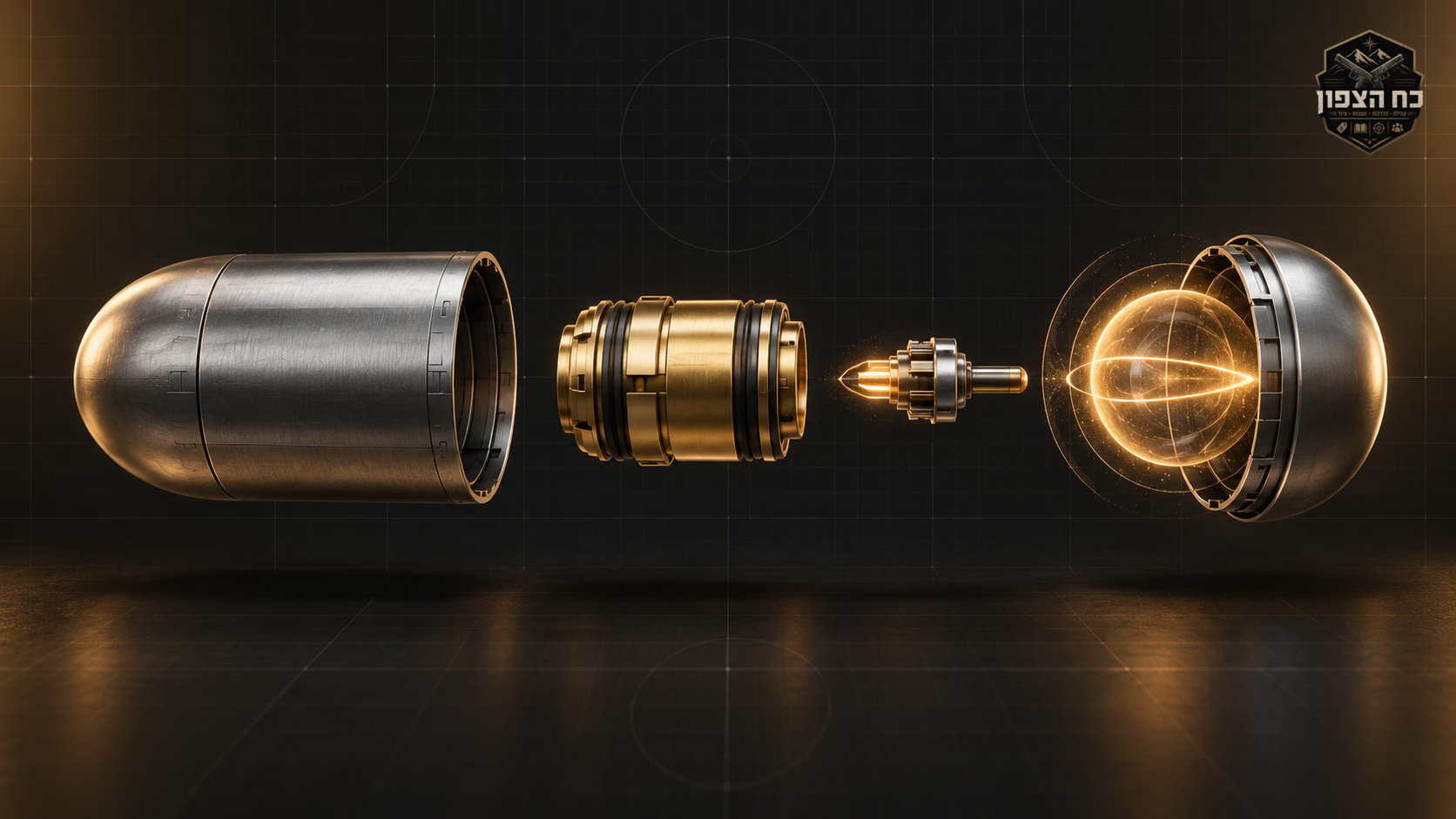
What Is a Handgun Cartridge Made Of? Four Components Worth Knowing
A clear conceptual explanation of the projectile, cartridge case, propellant and primer — and the difference between a “bullet” and a complete cartridge.
Content credit: Dor Ben Hamo — Shooting Instructor
Credit: Koach Hatzafon — original article illustration
“Bullet” Is an Everyday Term — but It Is Not Always Precise
In everyday conversation, many people use the word “bullet” to describe a complete unit of ammunition. In professional terminology, it is more accurate to distinguish a complete cartridge or round from the projectile, which is only one of its components. This distinction helps people understand safety instructions, specifications and malfunction reports without creating confusion.
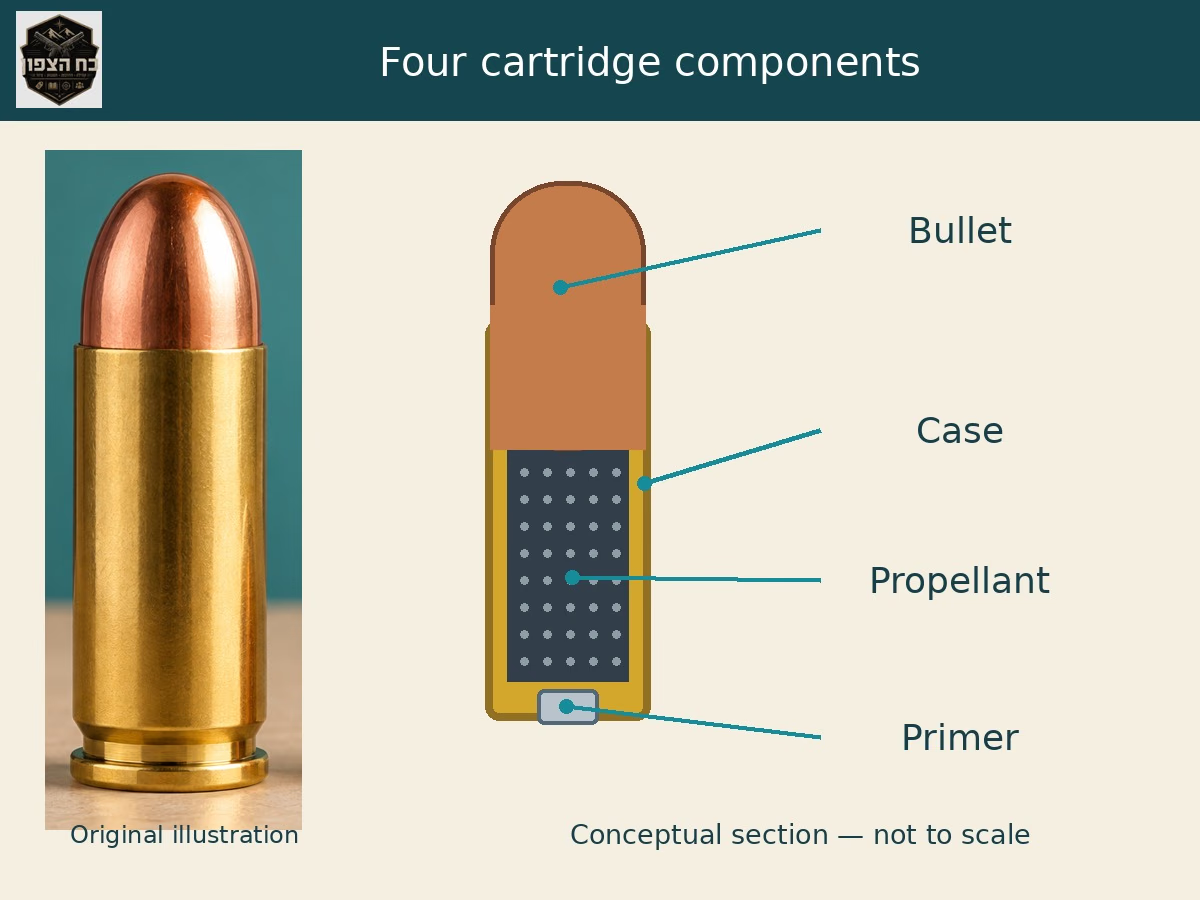
Bullet, case, propellant and primer: original illustration and conceptual section for component identification, not to scale.
1. The Projectile
The projectile is the body that leaves the barrel after firing. There are different types, weights and constructions, and any ammunition used must precisely match the calibre and specifications approved by the firearm's manufacturer.
2. The Cartridge Case
The cartridge case is the container that holds the cartridge's components together. The primer is located in its base, and the propellant is inside it. After firing, the case remains as a separate component and is not the projectile itself.
3. The Primer
The primer is the ignition component in the base of the cartridge case. When the action operates, it receives a mechanical impact and begins the ignition process. It is a sensitive component; do not touch, disassemble or attempt to “repair” damaged ammunition.
4. The Propellant
The cartridge case contains a propellant. When ignited, it produces pressurised gases that propel the projectile. It is important to distinguish this from an explosive in the everyday sense and avoid oversimplified explanations. A licensed user should not mix, modify or disassemble ammunition components.
Why Does the Terminology Matter?
Precise language improves safety. It makes it possible to tell an instructor or qualified gunsmith what was seen or felt, read manufacturers' instructions correctly and confirm compatibility between the firearm and ammunition. If a cartridge appears deformed, corroded, wet or unusual, do not use it. Isolate it in accordance with the shooting range's or professional's directions and avoid improvisation.
Golden Rule
Use only compliant, new and serviceable ammunition of the type approved by the manufacturer for the exact model and calibre. This article explains terminology only; it is not a guide to assembling or handling ammunition.
Written by
dor-ben-hamo
Related posts
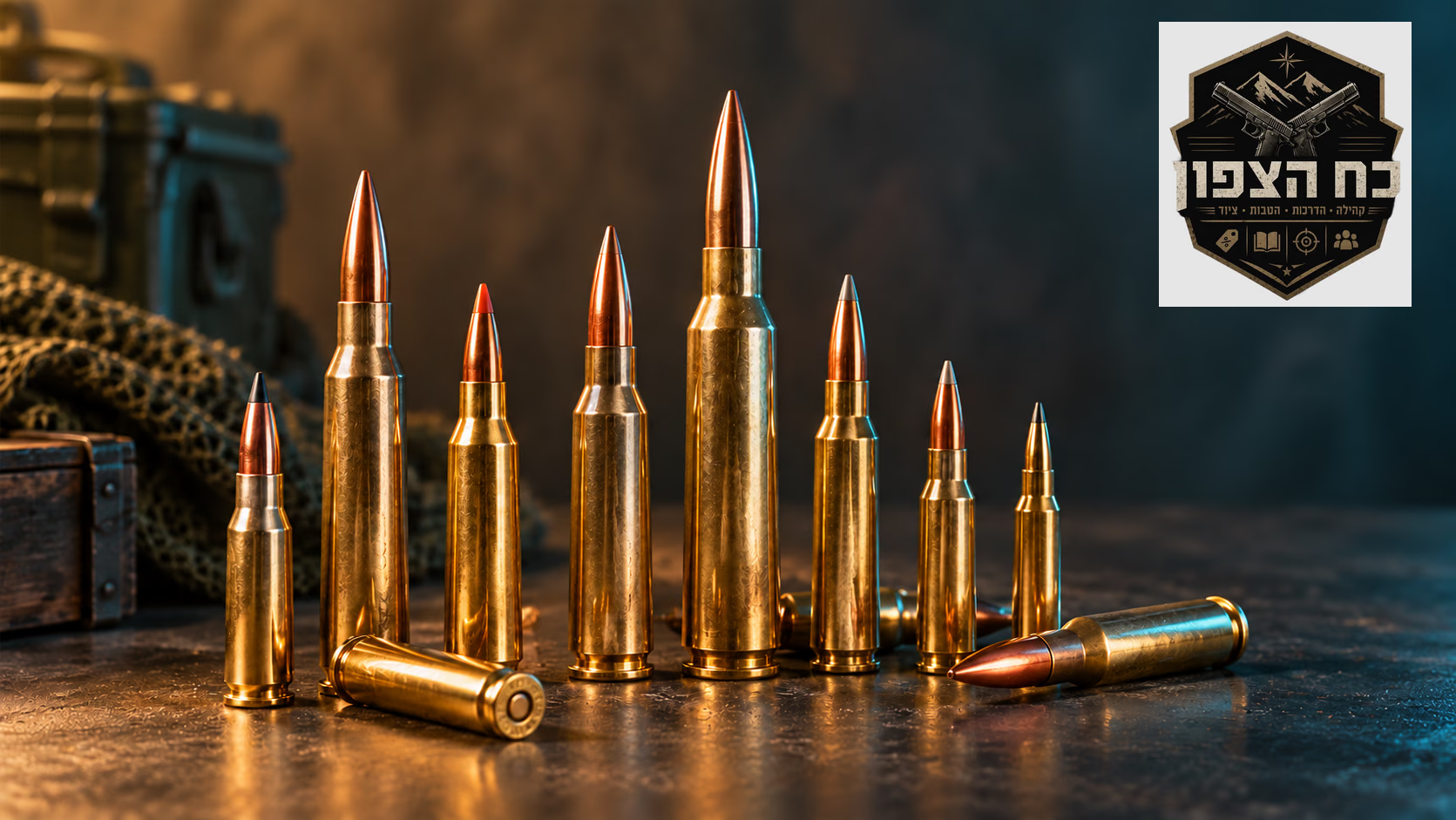
Rifle calibers: dimension tables, names and example rifles
Ten familiar rifle cartridges explained through C.I.P. dimension tables, full names, example rifles and illustrated comparisons.
Read more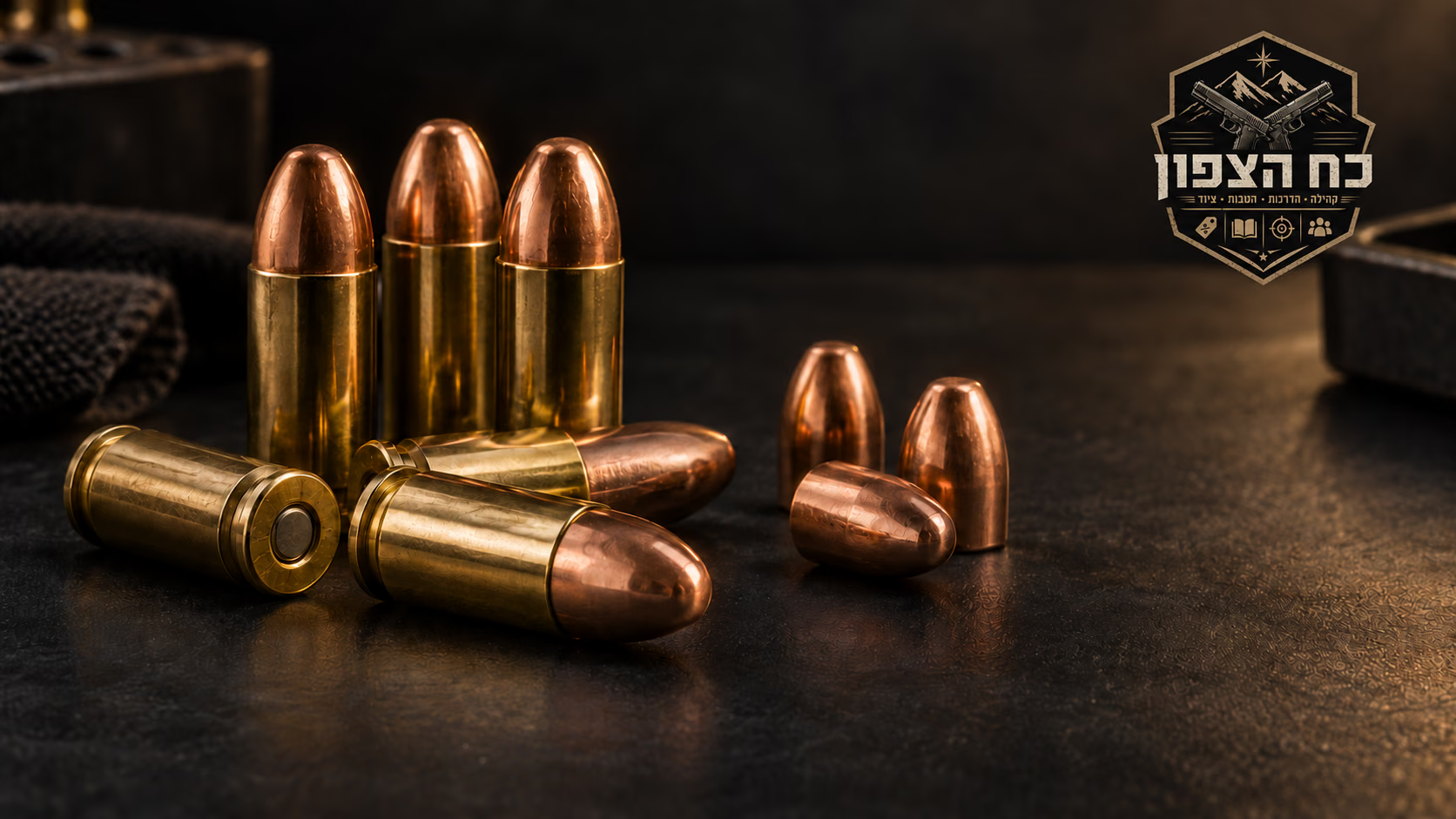
Grain, 9×19 and hollow points: an ammunition glossary
Bullet weights, cartridge dimensions, ballistics and recoil explained with manufacturer and standards-body sources.
Read more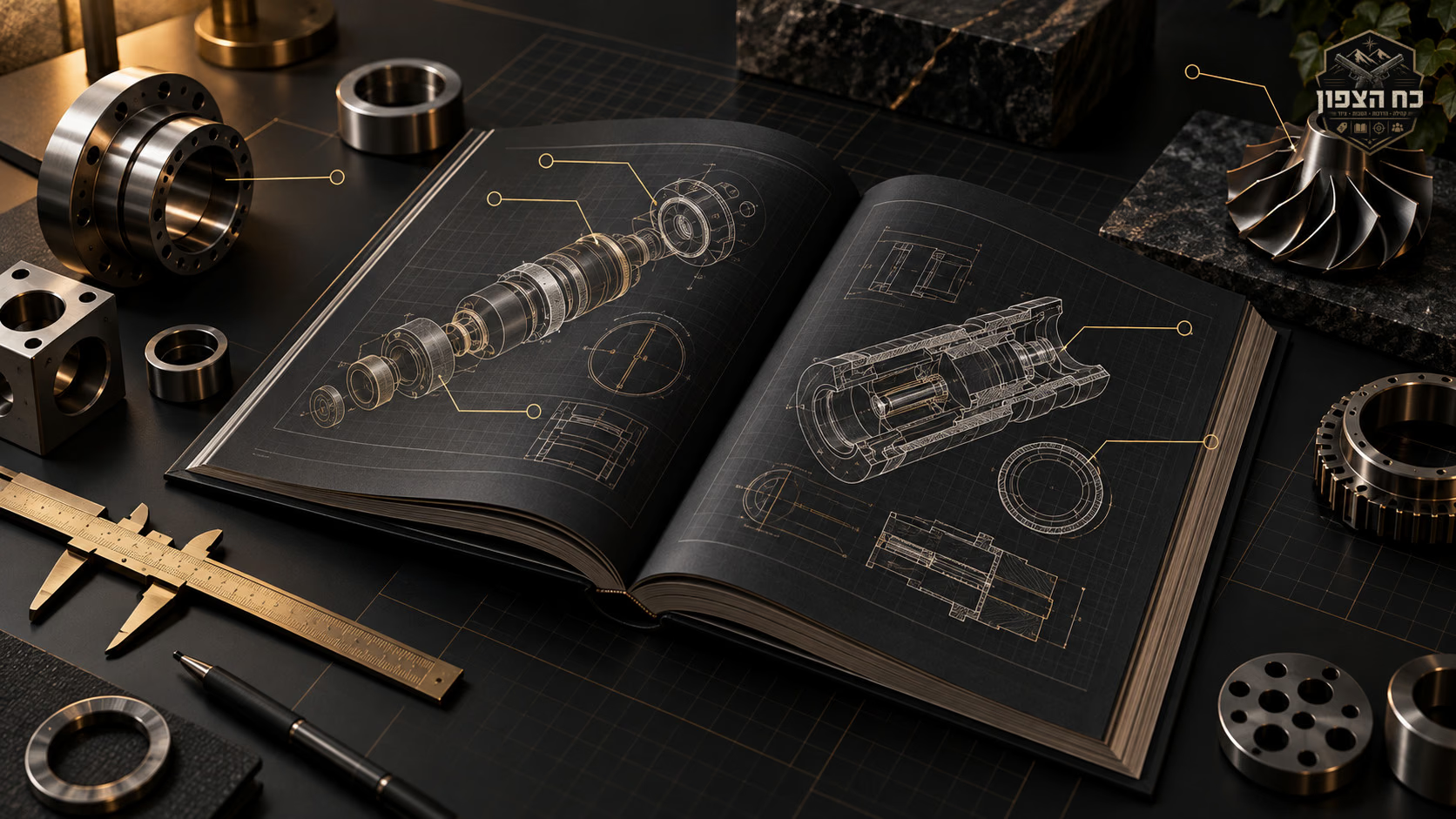
Ammunition Glossary — Primer, Case, Projectile, Rim and Chamber
The terms used in instructions, at the shooting range and in conversations with professionals — explained in clear, precise language.
Read moreReady to grow?
Schedule a Call